Mimosa hostilis root bark (MHRT) Whole
Our mimosa hostilis root bark for sale in whole form comes from the Mimosa tenuiflora tree. This tree grows natively in regions across South America, particularly Brazil and Mexico. Indigenous communities value the root bark for its rich content of natural tannins and alkaloids.
Key Characteristics
-
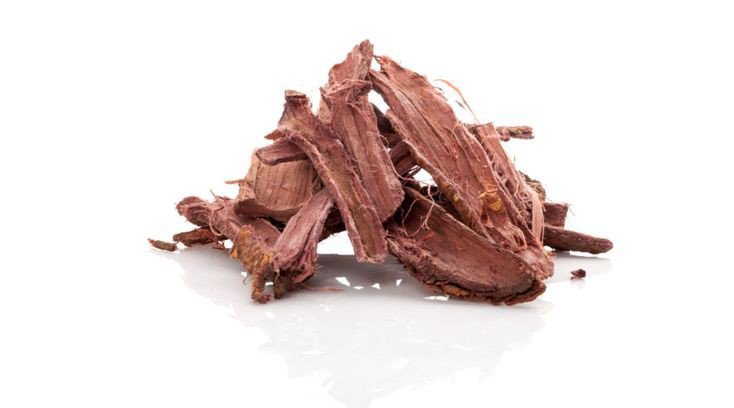
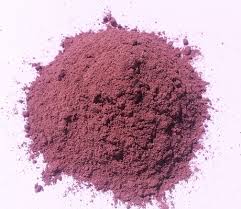
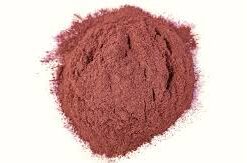
Appearance: Whole root bark is dark brown, fibrous, and rough in texture. When ground into a powder, it turns a distinct reddish-brown to deep purple color.
-
Chemical Profile: The bark contains high levels of astringent tannins. It also contains natural alkaloids, including DMT (N,N-Dimethyltryptamine).
Primary Uses
-
Natural Dyes: Manufacturers and artisans use the rich tannins to create vibrant purple and red dyes for textiles, fabrics, and leather.
-
Traditional Medicine: Indigenous cultures apply the bark to soothe skin conditions, reduce inflammation, and support wound healing due to its natural antimicrobial properties.
-
Cultural Traditions: Certain cultures traditionally utilize the root bark in spiritual practices and ceremonial preparations.
| Quantity | 250g, 500g, 1kg, 3kg, 5kg |
|---|
8 reviews for Mimosa hostilis root bark ( whole)
Add a review
Related products
MIMOSA HOSTILIS ROOT BARK
Abraham –
Definitely one of the best sources I’ve found. Highly recommended!😍🔥🔥
Dexter –
Easy efficient service with updates and information throughout the process would recommend to anyone …
Klara –
I’ve tried MHRB powder from several vendors over the years, but this is by far the cleanest I’ve found. You can immediately tell that the filler fibers have been filtered out—the powder is incredibly fine, uniform, and a gorgeous deep purple.
Rayford –
Product makes an absolutely wonderful potent yellow dye. Will 100% buy again. Arrived promptly, well packaged. You can tell the staff, really care about their customers.
Miguel –
Hi, just wanted to mention, I enjoyed the MHRB.
Celesta –
Just want to say your product is as astonishing.
The clarity in your post is just cool and i can assume you’re an expert on this.
will still order
Maureen –
I every time open this web site, i always feel like to still order some.
i recommend them to you
Samuel –
This is a very informative post about your ACRB. I especially liked how it was deliver to me at my door
Thanks for the service