Blog
what to know about Ayahuasca
Sep
what to know about Ayahuasca“Four Questions about Ayahuasca” is a guest post by Rebecca A. Kinman. Rebecca, an American mother, writer and herbalist, has lived in Tarapoto for the past 3 years. Alongside her partner Carlos Llerena Chavez, she works to connect people with the healing plants of the region. Providing ceremonies and plant diets to the local and foreign communities, they await the day when they can open their own healing center in the beautiful outskirts of Tarapoto.
Four Questions about Ayahuasca
Travel in Peru is not without its unplanned detours. In September of 2007, I somehow found myself in a little circular maloca down the river from Shapaja, sitting cross-legged with my eyes closed. A series of unexpected events had just led me to drink a cup of the mysterious tea most commonly known as ayahuasca.
The jungle hissed and moaned around me and a frightening queasiness overwhelmed my body. Voices and musical melodies swirled around my ears as a woman approached me from behind. She gently touched my hips and light shot from her fingers and entered me rapidly. Purple, orange and magenta ribbons surrounded me. “Love yourself, love yourself,” she chanted to me in a voice that both comforted and irritated me at the same time.
I didn’t move. The nausea became unbearable and without warning, the contents of my stomach entered the bucket in front of me. Not exactly a vacation, but I was in a higher state of bliss than I had ever been before. For the first time in my life, I had truly been healed.
Several years later, it seems as though every time I turn around there is another person in Tarapoto who has begun working with the plants as their “profession”. I also run into several people per week who have never experienced ayahuasca and, for some reason, have become convinced that it’s a “dangerous drug”. Many are extremely afraid of this medicinal plant and believe it is only used by evil sorcerers to inflict harm upon the innocent. Then there are those who travel all the way down here, expecting a very expensive “psychedelic trip” only to find themselves completely disappointed.
Nonetheless, a lot is being said about ayahuasca these days. For me, it has provided a healing experience that the medicine in North America has not been able to provide. That’s how I know there’s something very, very special about how this powerful plant works.
What is Ayahuasca?
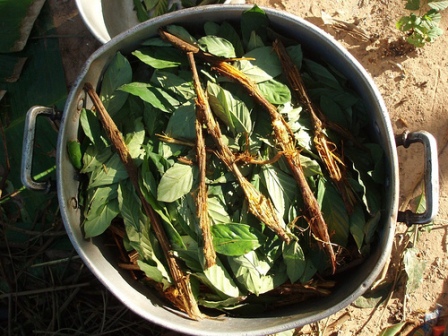
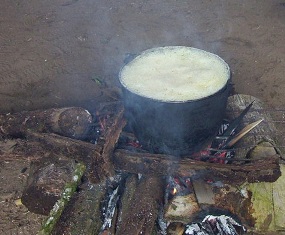
Ayahuasca (eye-ah-WAH-skah) is a South American plant-medicine mixture that consists of a vine called ayahuasca (b. caapi) and a leaf called chakruna (psychotria viridis). When cooked together, the two plants become ayahuasca, a Quechua word meaning, “vine of the soul”. If you travel to the Peruvian jungle, you will likely encounter someone who has heard of this powerful drink, or perhaps someone who has tried it.
Why do People Drink Ayahuasca?
There are many reasons to drink ayahuasca. For several centuries, tribes would participate in ayahuasca ceremonies to ward off evil spirits, bring good luck, and to heal all disease. More recently, curiosity about the medicine has gradually increased and ayahuasca has gained popularity among psychologists, botanists, anthropologists, spiritual explorers, people with serious illnesses, and adventurous travelers with a mind for the unusual.
As a result, the medicine remains a traditional part of indigenous and mestizo culture, while retreats, clinics and healing centers that cater to the needs of the western world have become increasingly common.
The main purpose of the vine has always been to facilitate deep recovery and healing. Issues such as depression, drug/alcohol addiction, skin and liver disorders, sexual dysfunction, and diseases that are otherwise mysterious and difficult to diagnose have all been successfully addressed with ayahuasca therapy. Stomach and intestinal parasites can also be quickly washed away by the cleansing effect of ayahuasca, and regular drinkers of ayahuasca are likely to maintain a general state of health, happiness and well-being in their bodies, work, families and communities.
What Does Ayahuasca Do?
Today, ayahuasca is perhaps most commonly known as a hallucinogen. It can create powerful visions that often have deep personal meaning to the experiencer, and can thus bring the client to a deeper understanding of oneself and their current situation.
However, I have spoken to many locals who don’t have visions when they drink ayahuasca. The medicine works on a more subconscious level.
Shamans and healers use it as a tool for communicating with the spirit realms and as a vessel for prayer. Used for centuries by folk-healers as a purgative and ruthless detoxifier, the medicine cleans the entire digestive system by sometimes inducing vomiting and diarrhea. There is almost always an uncomfortable feeling or other negative emotion during an ayahuasca ceremony, but these feelings always subside, leaving the individual in a better state of health than before.
